

Introduction
Vacuum trucks play a crucial role in waste management and environmental protection by efficiently collecting and transporting various types of waste materials. These versatile vehicles are equipped with powerful vacuum systems that can effectively suction liquids, sludges, and solids from a wide range of sources, including sewers, industrial facilities, and construction sites. However, proper waste disposal is essential to ensure that vacuum truck operations are safe, environmentally responsible, and compliant with regulations. In this comprehensive guide, we will explore the best practices and guidelines for vacuum truck waste disposal to help operators and waste management professionals maintain high standards of service and protect the environment.
Understanding Vacuum Truck Operations
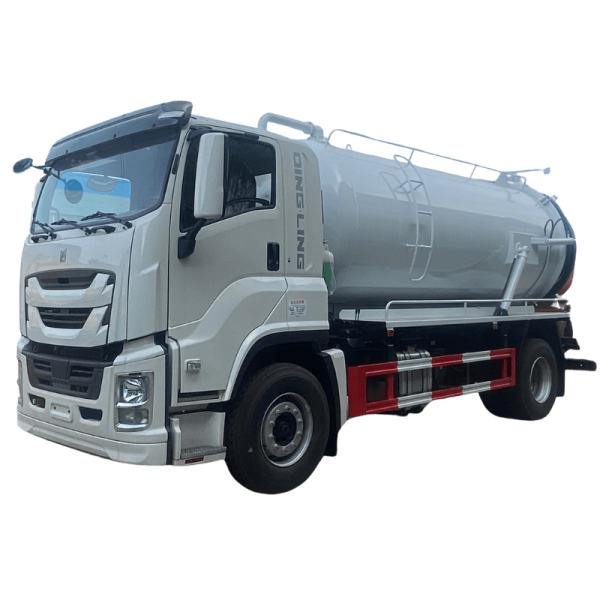
Before delving into waste disposal guidelines, it is important to understand the basic operation of vacuum trucks and the types of waste they handle. Vacuum trucks are specialized vehicles designed to collect and transport various types of waste materials, including:
1. Liquid Waste: This category includes wastewater, sewage, grease traps, and other liquid substances that require suction and transport.
2. Sludge: Sludge is a semi-solid material that accumulates in septic tanks, industrial tanks, and other storage facilities. Vacuum trucks are used to remove sludge for disposal or treatment.
3. Solids: Some vacuum trucks are equipped with high-pressure water jets or augers to break up and suction solid materials such as gravel, sand, and debris.
Vacuum trucks are commonly used in a wide range of industries, including municipal waste management, oil and gas, construction, and environmental remediation. These versatile vehicles are available in various sizes and configurations to meet the specific needs of different applications.
Best Practices for Vacuum Truck Waste Disposal
Proper waste disposal is a critical aspect of vacuum truck operations to prevent environmental contamination, comply with regulations, and promote public health and safety. The following guidelines outline best practices for waste disposal when using vacuum trucks:
1. Identify Waste Types: Before collecting waste, operators must identify the type of material being suctioned to ensure proper handling and disposal. Classifying waste as liquid, sludge, or solid helps determine the appropriate disposal method and treatment facility.
2. Separate Hazardous Waste: Hazardous waste, such as chemicals, oils, and toxic substances, must be segregated from non-hazardous waste and disposed of in accordance with hazardous waste regulations. Vacuum truck operators should be trained to recognize and handle hazardous materials safely.
3. Follow Disposal Regulations: Local, state, and federal regulations govern the disposal of different types of waste materials. Operators must be aware of and comply with regulatory requirements to avoid penalties and legal consequences.
4. Use Approved Disposal Sites: Vacuum truck waste should be transported to approved disposal sites, such as wastewater treatment plants, landfills, or recycling facilities. Using unauthorized dumping sites or releasing waste into the environment is illegal and harmful to ecosystems.
5. Maintain Proper Documentation: Keeping accurate records of waste collection, transportation, and disposal is essential for regulatory compliance and accountability. Documentation should include waste manifests, disposal receipts, and any relevant permits or licenses.
6. Prevent Spills and Leaks: To minimize the risk of spills and leaks during waste collection and transportation, vacuum truck operators should inspect equipment regularly, use proper containment measures, and follow safe handling procedures.
7. Implement Spill Response Plans: In the event of a spill or leak, operators should have emergency response plans in place to contain the release, mitigate environmental impact, and protect workers and the public. Training in spill response procedures is essential for all personnel involved in vacuum truck operations.
8. Practice Environmental Stewardship: Promoting environmental stewardship involves reducing waste generation, recycling materials whenever possible, and minimizing the carbon footprint of vacuum truck operations. Sustainable practices contribute to a cleaner, healthier environment for present and future generations.
9. Monitor Waste Disposal Practices: Regular monitoring and evaluation of waste disposal practices help identify areas for improvement, ensure compliance with regulations, and maintain high standards of environmental protection. Feedback from stakeholders and regulatory agencies can provide valuable insights for optimizing waste management processes.
10. Continuous Training and Education: Ongoing training and education are essential for vacuum truck operators and waste management professionals to stay informed about best practices, new technologies, and regulatory updates in the field. Training programs should cover safety procedures, waste handling techniques, and environmental compliance requirements.
By following these best practices and guidelines for vacuum truck waste disposal, operators can enhance the efficiency, safety, and sustainability of waste management operations while protecting the environment and public health.
Bulk feed truck feed safety standards is a fundamental aspect of vacuum truck operations that requires careful planning, adherence to regulations, and a commitment to environmental stewardship. By following the guidelines outlined in this article, operators and waste management professionals can ensure that vacuum truck waste is collected, transported, and disposed of responsibly and sustainably. Effective waste management practices not only protect the environment and public health but also contribute to the efficient operation of vacuum trucks and the overall success of waste management programs. With a focus on compliance, safety, and environmental protection, vacuum truck operators can make a positive impact on communities and ecosystems while upholding the highest standards of service and professionalism.